ZERO WASTE: My Journey So Far
I've talked in the past about why I've chosen to try and be as close to low waste or zero waste as possible. To put in more concrete terms, I try to live a way that minimizes the amount of non-degradable trash I produce in a day. Sufficed to say, it's been a roller-coaster since I undertook this journey and there have been ups and downs. This post is an update on what I've been doing, the pitfalls and the ways I can improve on these matters. By all means, share your Zero Waste/Low Waste decisions in the comments (always with respect).
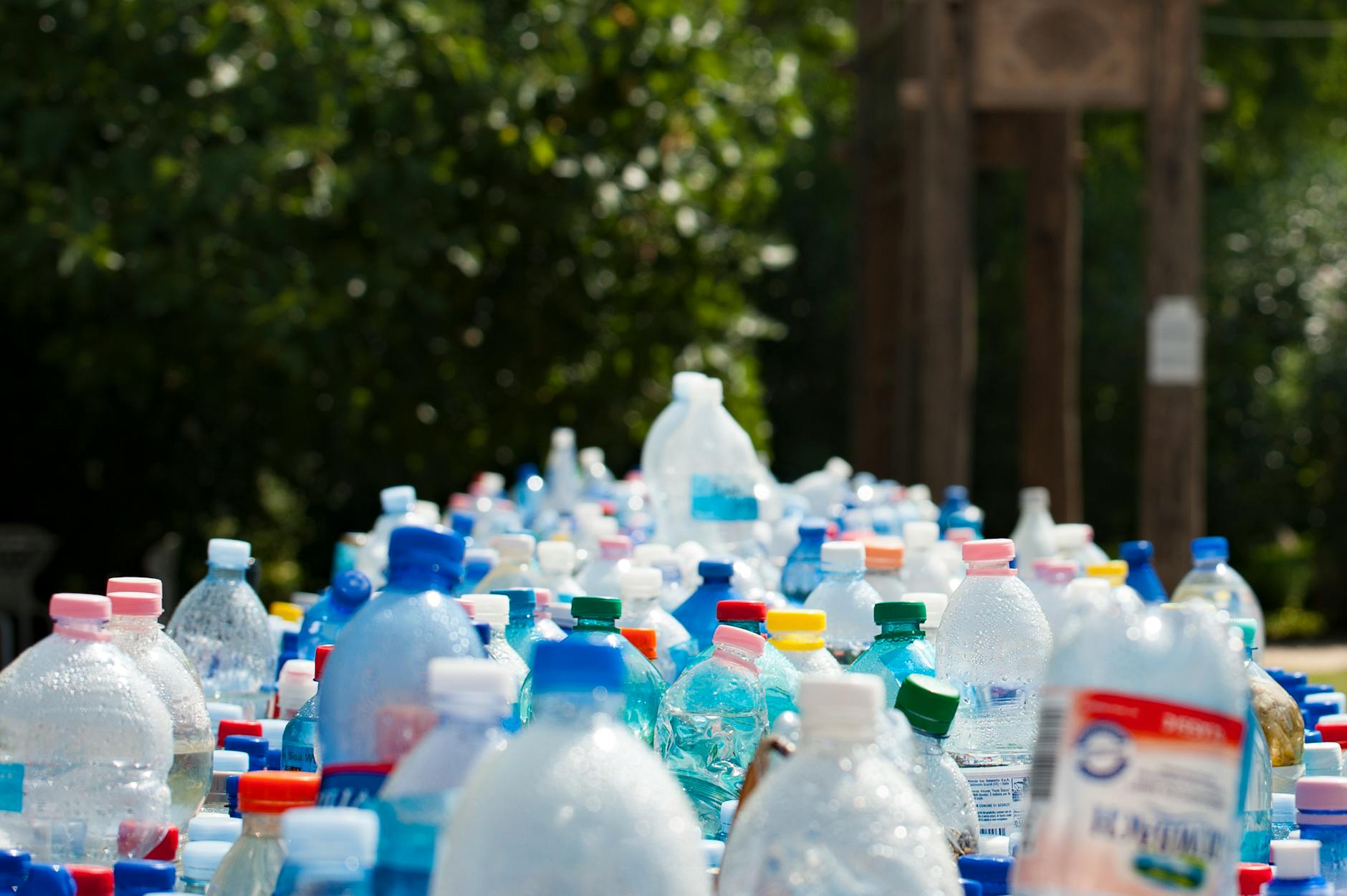
Zero Waste is described by the Zero Waste International Alliance as "The conservation of all resources by means of responsible production, consumption, reuse, and recovery of all products, packaging, and materials, without burning them, and without discharges to land, water, or air that threaten the environment or human health." In shorter terms, it's making sure that less non-degradable materials, like plastic, end up in the environment, or the wasteful consumption of resource-intensive materials. The most popular version of ZW is that of having a mason jar full of small wrappings and miscellaneous trash. It's also the means that I got into the movement. Not surprisingly, I found out about it through social media, Instagram in particular.
I make no qualms that I get inspired by Instagram but I do have to admit one major pitfall of the ZW Movement: the burden on the consumer. Consumers can vote with their wallets, by the act of refusing plastic and disposables. But there's a disproportionate burden put on the consumer to make that choice, rather that companies doing something about their production practices. Renee Peters from Model4greenliving.com points out the many flaws in the ZW Movement in her article The Truth Behind Zero Waste: The Good, The Bad and the Privilege in which she examines how resource intensive ZW can be, among other things.
I will say right out the bat, that Zero Waste isn't necessarily exclusive to Instagram worthy post. By virtue of having a reusable container that is safe for food storage, or by really examining what is consumed, people can be low waste and not have to make drastic changes in their lives. I'm of the motto of "You have this empty food container? And you use it to store other foods? Congrats, you're reducing waste."
My backpack always has at least the following items:
I make no qualms that I get inspired by Instagram but I do have to admit one major pitfall of the ZW Movement: the burden on the consumer. Consumers can vote with their wallets, by the act of refusing plastic and disposables. But there's a disproportionate burden put on the consumer to make that choice, rather that companies doing something about their production practices. Renee Peters from Model4greenliving.com points out the many flaws in the ZW Movement in her article The Truth Behind Zero Waste: The Good, The Bad and the Privilege in which she examines how resource intensive ZW can be, among other things.
I will say right out the bat, that Zero Waste isn't necessarily exclusive to Instagram worthy post. By virtue of having a reusable container that is safe for food storage, or by really examining what is consumed, people can be low waste and not have to make drastic changes in their lives. I'm of the motto of "You have this empty food container? And you use it to store other foods? Congrats, you're reducing waste."
My backpack always has at least the following items:
- A reusable water bottle
- My KeepCup
- Utensils
- Metal straw
- Microfiber cloth as a napkin
I also have a fountain pen on me at all times, and my discbound journal. My actual lunchbag is even more simpler, as it has an ECOLunch Lunchbox (I'm honestly in love with it), another bento box if I'm going to Law School to do Bar Exam studies (because dinner is a must), and my reusable soda can that I got from my University Store. And of course, there's my Dining Out kit, click the link to read about how I constructed it and my experiences with it! One of the main pros that comes with being mindful of my consumption is how people get curious about them and ask.
I'm doing my best to try and minimize my food waste, and while I currently can't compost, I do try to make my servings mindful of what I actually eat. As someone with hypoglycemia, it's a good idea to not just track when you eat food, but also what you eat and how much. I also try to have leftovers for lunch as much as possible, making sure that food doesn't just rot away.
As someone who works in an office job, I make an effort to minimize how much paper is printed and what can remain as digital. I always try to have a digital back-up of every document that graces my desk, so if it ever gets lost, we don't lose our minds looking for it. I try to keep my desk as clean as possible, with as much care put to what needs to be out and what can be stored. The same goes for my home desk. Supplies waste is still a thing but I try to use up as much as I can before looking for a new option or an alternative.
On a more health related side, zero waste has been an interesting alternative. Trying to go vegetarian and having a low waste bathroom are still on the agenda, but to see so many choices brings me joy. Shampoo bars, soap bars and Dr. Bronners have arrived and they're in my life to stay.
I could go on about these matters, but for now, I can say that while making some purchases can be optional, people already have means to reduce their waste, by following the 5 Rs:
- Refuse what you don't need
- Reduce what you do need (within reason!)
- Reuse by using reusable items
- Recycle what can't be reused
- Rot what can decompose
I will do a future post on how I use these 5 R's on a day to day basis, but for now, let me know how you tackle your low waste choices in the comments.
- SP
Comments
Post a Comment